Our History
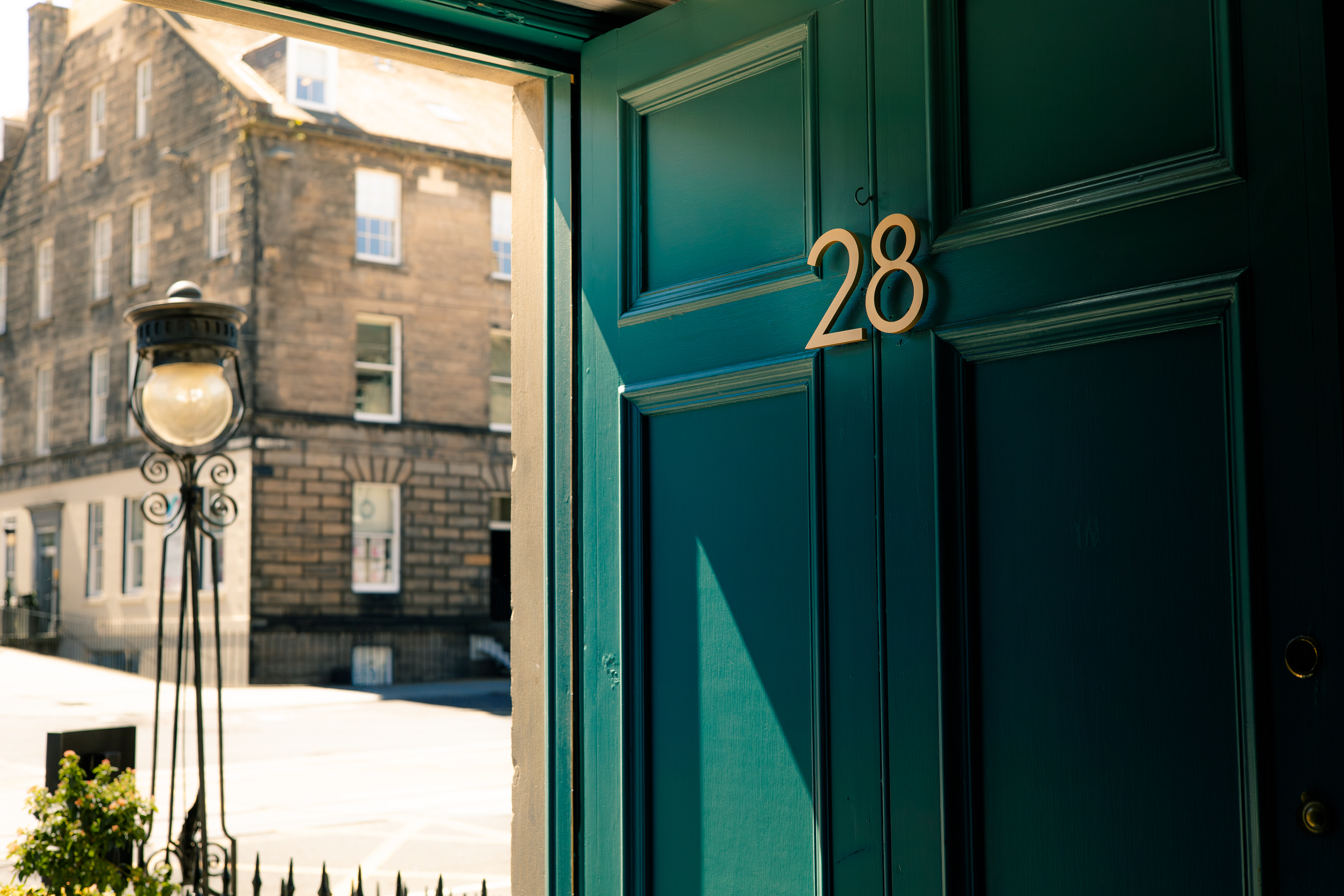
Before it welcomed guests from around the world, 28 York Place was a private mansion, a military drill hall, an armoury, and a social club. This is the story of 28 York Place and the city that grew up around it.
1793-1900
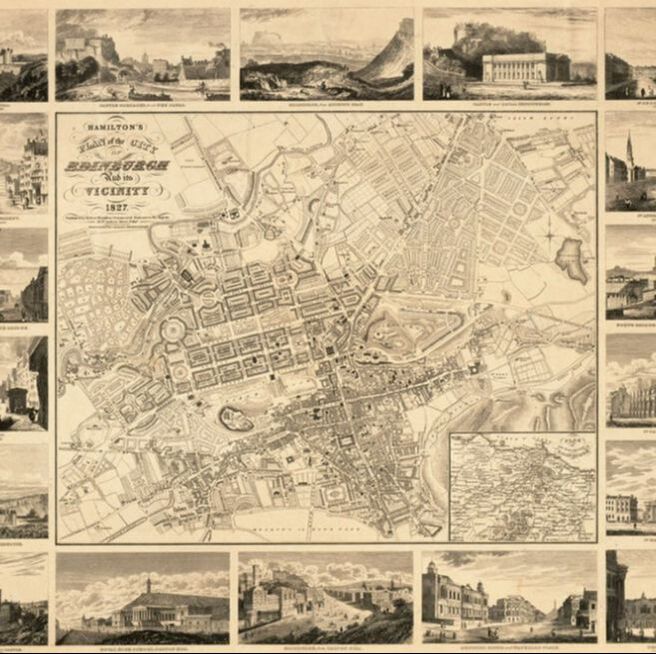
It was at a very early stage in the development of The New Town that the building at 28 York Place was constructed as a magnificent private dwellinghouse. Neighbouring houses included the house at No.32 where portrait painter, Sir Henry Raeburn, had his studio from 1798 until 1809. He was the man who painted the Reverend Robert Walker skating on Duddingston Loch.
The accommodation in 28 York Place at that time was four storeys and it had a large private garden extending out to Dublin Street Lane at the rear. The rear exit door was located where the little flight of stairs presently runs up the passage from the function suite (Milne Suite) towards the ladies and gents toilets. The garden is no longer there because the Territorial Army would build a drill hall over it and that drill hall would become the present Milne Suite Function Room.
Early 1900’s – 2008
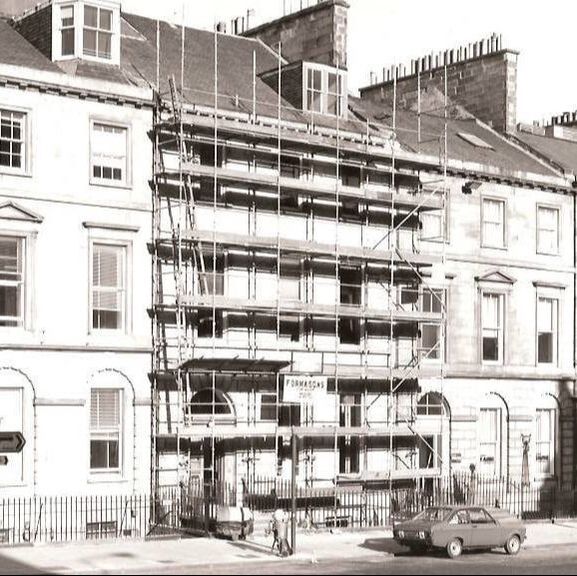
28 York Place fell in to ownership of the military in the early part of the 20th century. In 1914 the house, with a hall behind, was the HQ of City of Edinburgh Royal Engineers, and base for No. 1 Works Company and No. 2 Electric Lights Company of that unit. Electric Lights in this usage were the high-powered searchlights used in coast defence batteries.
By the 1930’s part of house was still occupied as a family home. The occupants now leased that part of the building from the Territorial Army and shared the building. What is now the wine cellar was a fully stocked armoury and the upper two floors were used for army administration.
After the Second World War there was a strong desire, and perhaps a need, for the men and women who had lived through that conflict to have a place where they could associate amongst friends and colleagues. As a result, a number of military association clubs grew up in Edinburgh and elsewhere. A significant number of police officers were ex-servicemen and it was perhaps a natural progression that they too would want to create their own social club.
In 1968, members of Edinburgh City Police purchased 28 York Place. The property has remained in continuous private ownership since then. Throughout the 70s and 80s, 28 York Place played host to many popular Folk concerts, with entertainment organised by the esteemed Ian Green. We also hosted Billy Connolly, finishing his act to a standing ovation from the packed house and the rest is history.
2008 – Present Day
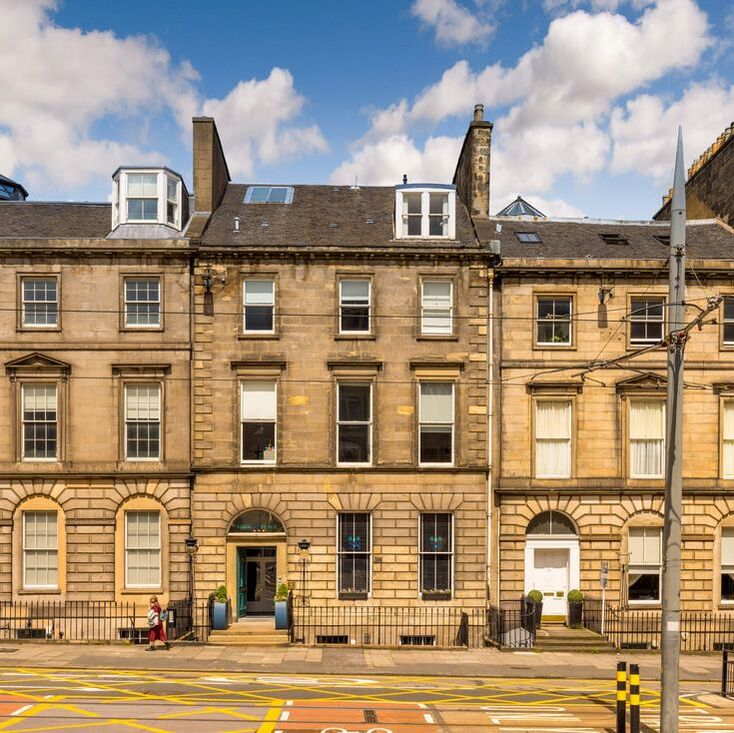
28 York Place opened it’s doors as a hotel in 2008, welcoming guests from around the World. We also established a lasting relationship with the Stand Comedy Club and play our part in the Edinburgh International Fringe Festival every year.
28 York Place has been under the continuous management of Gordon Wilson since 2011, during which time we have seen many changes and refurbishment projects as we invest in the future. We are proud to be custodians of our 18th century building and all its history. Thank you for playing your part in maintaining our wee New Town treasure.
Sustainability
We’re on a journey towards Net Zero by 2045, in line with Scotland’s national climate targets. At 28 York Place, this means taking real, measurable steps to reduce our carbon footprint — from energy use and waste management to responsible sourcing — while continuing to deliver the warm, quality experience our guests expect.
Our Carbon Reduction Plan 2025 outlines our progress and next steps.